Quick answer
Start with measurements, then check the route.
Choose for the individual animal and the job the shelter needs to do. Bettas may use calm resting areas, shrimp benefit from structure and multiple routes, plecos vary widely by species and adult size, and small fish still need openings that comfortably clear their bodies and fins.
Start with the purpose of the shelter
A cave can serve as a shaded resting area, a pass-through route, a low foreground shelter, or a larger piece of terrain. Decide which role matters before comparing styles. A dramatic centerpiece is not automatically the best hide, and the smallest-looking piece is not automatically best for a small tank.
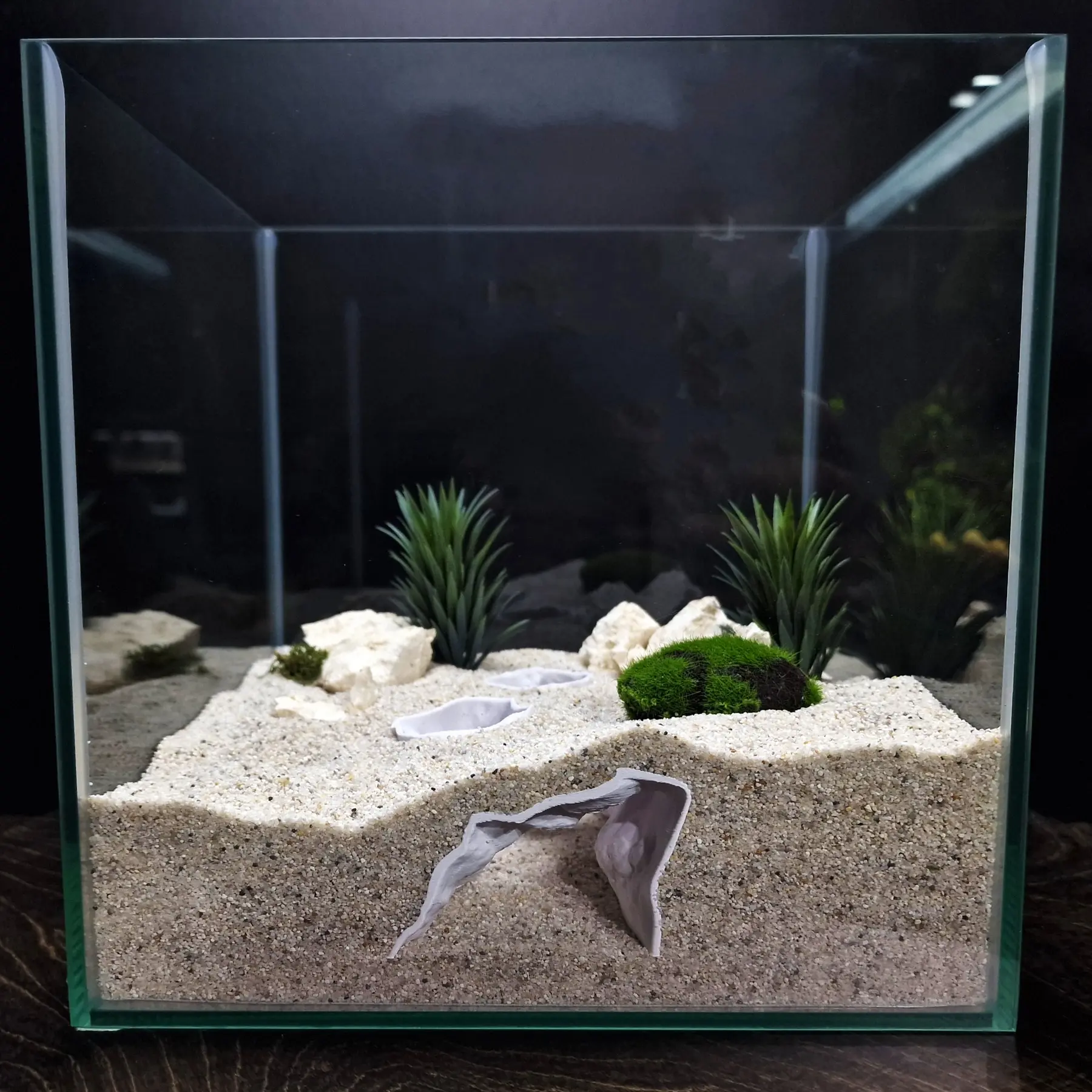
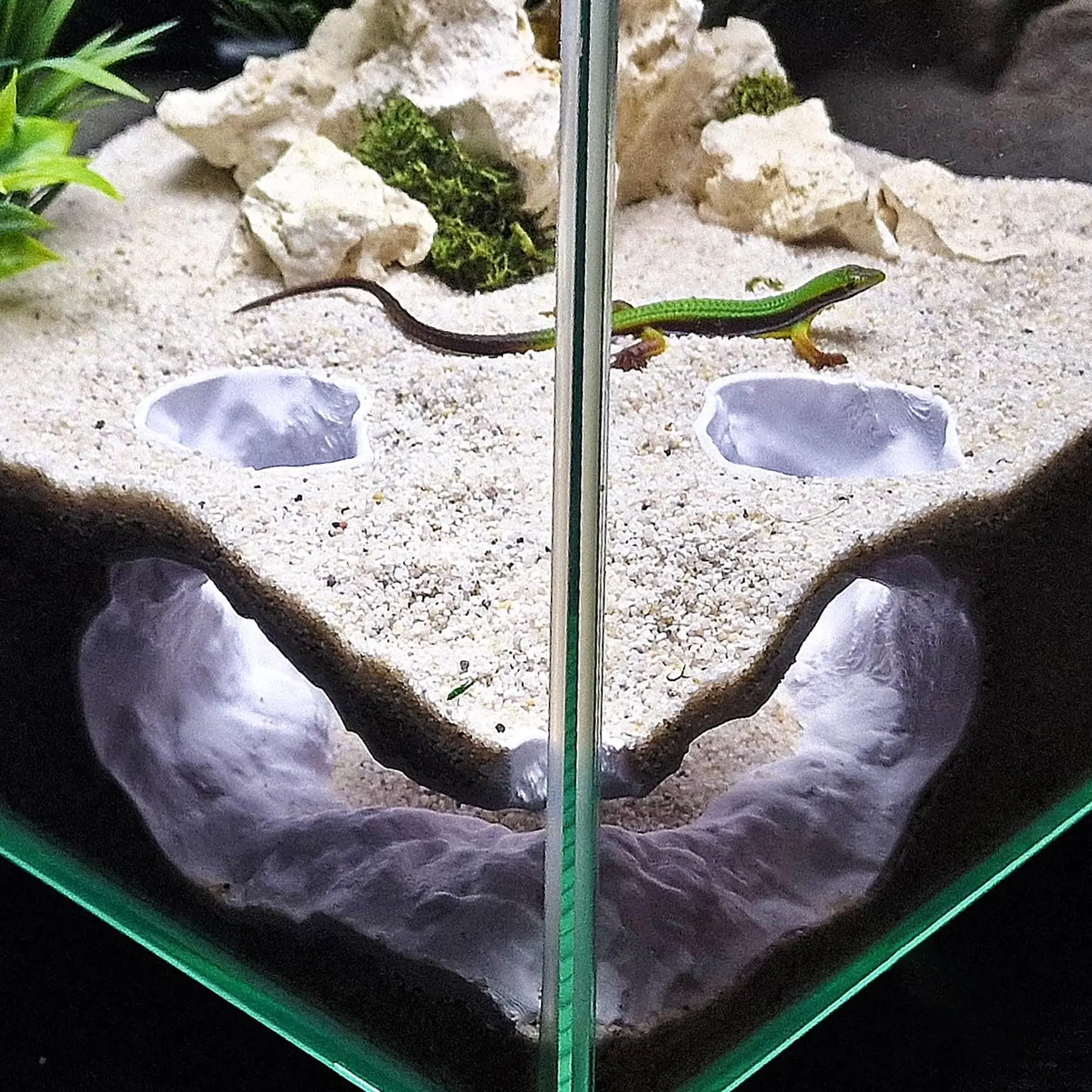
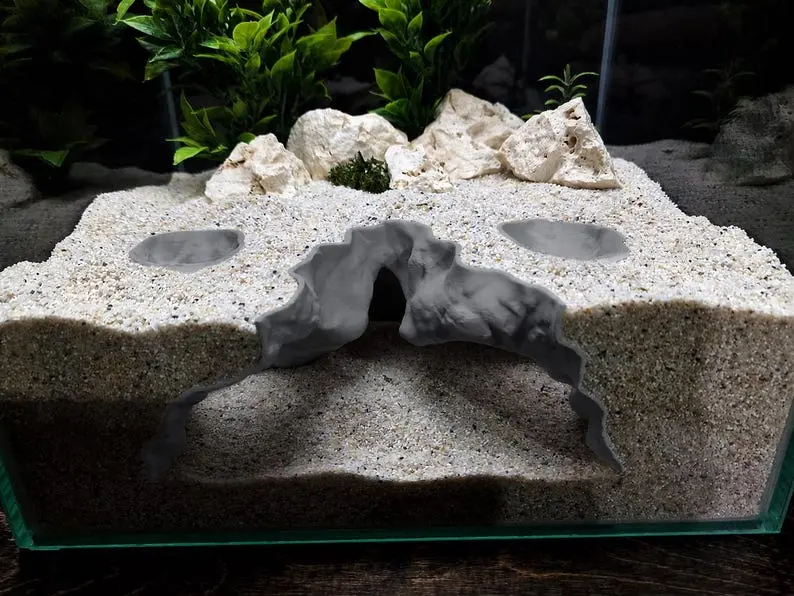
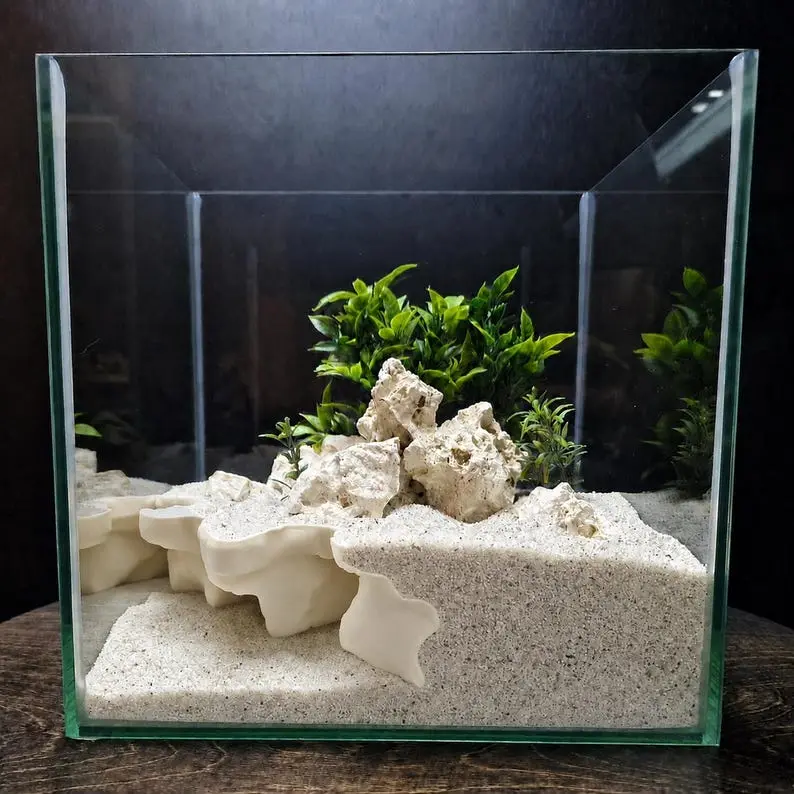
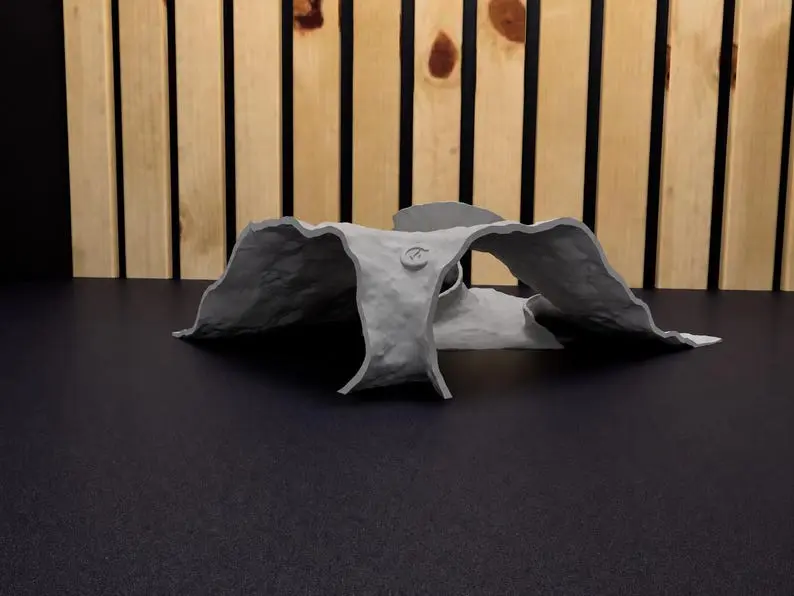
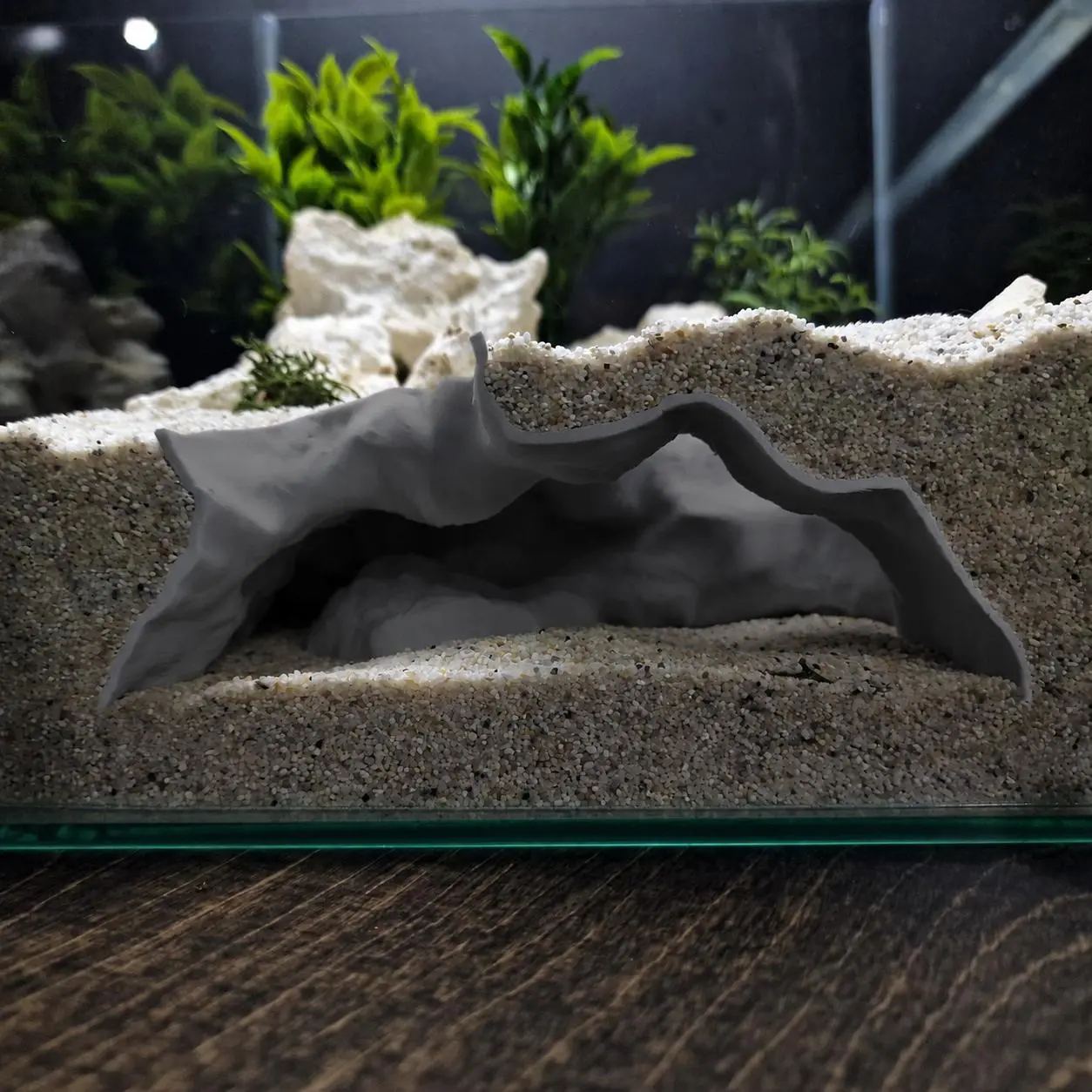
Use the listed dimensions and all available photos. Then compare the form with the individual animal's body, fins, expected adult size, activity, and the clear space left in the aquarium.
For bettas: calm access and fin clearance
A betta setup often benefits from calm, sheltered areas with a straightforward path back to the surface. Low-profile caves and open-front forms can work well when the entrance remains easy to see and comfortably clears the fish's full fins.
Avoid crowding the route with sharp hardscape or dense plant growth. Because fin shapes and individual behavior vary, supervise the first uses and remove any decoration that causes hesitation, snagging, or repeated difficulty turning.
For shrimp: structure at more than one level
Shrimp layouts can use tunnels, edges, and several small routes to add protected structure among plants and substrate. Multi-opening and under-gravel forms help create depth without making every sheltered area a single enclosed chamber.
Keep intended entrances exposed and leave enough access to rinse or inspect the piece. In a planted tank, remember that roots and growth can gradually narrow routes that were clear when the aquascape was new.
For plecos and small fish: avoid universal labels
Plecos vary dramatically by species, adult size, and behavior, so a page labeled “pleco cave” is a shortlist, not a fit guarantee. Compare the animal's expected adult body shape with the actual cave footprint and openings, and choose a stable placement with clear access and surrounding flow.
Small fish also vary. Schooling behavior, fin shape, bottom-dwelling habits, and territorial behavior can all change how a shelter is used. When several animals may use the same area, multiple clear routes or separate shelters can reduce dependence on one entrance.
Let observation make the final decision
Rinse new aquarium décor with clean water, secure it, and monitor the first days of use. Check whether animals can enter and leave easily and whether normal swimming, feeding, and resting patterns continue.
Remove or reposition any piece that becomes unstable, damaged, sharp, difficult to maintain, or too crowded for the animals using it. A good-looking layout should also remain easy to inspect and care for.